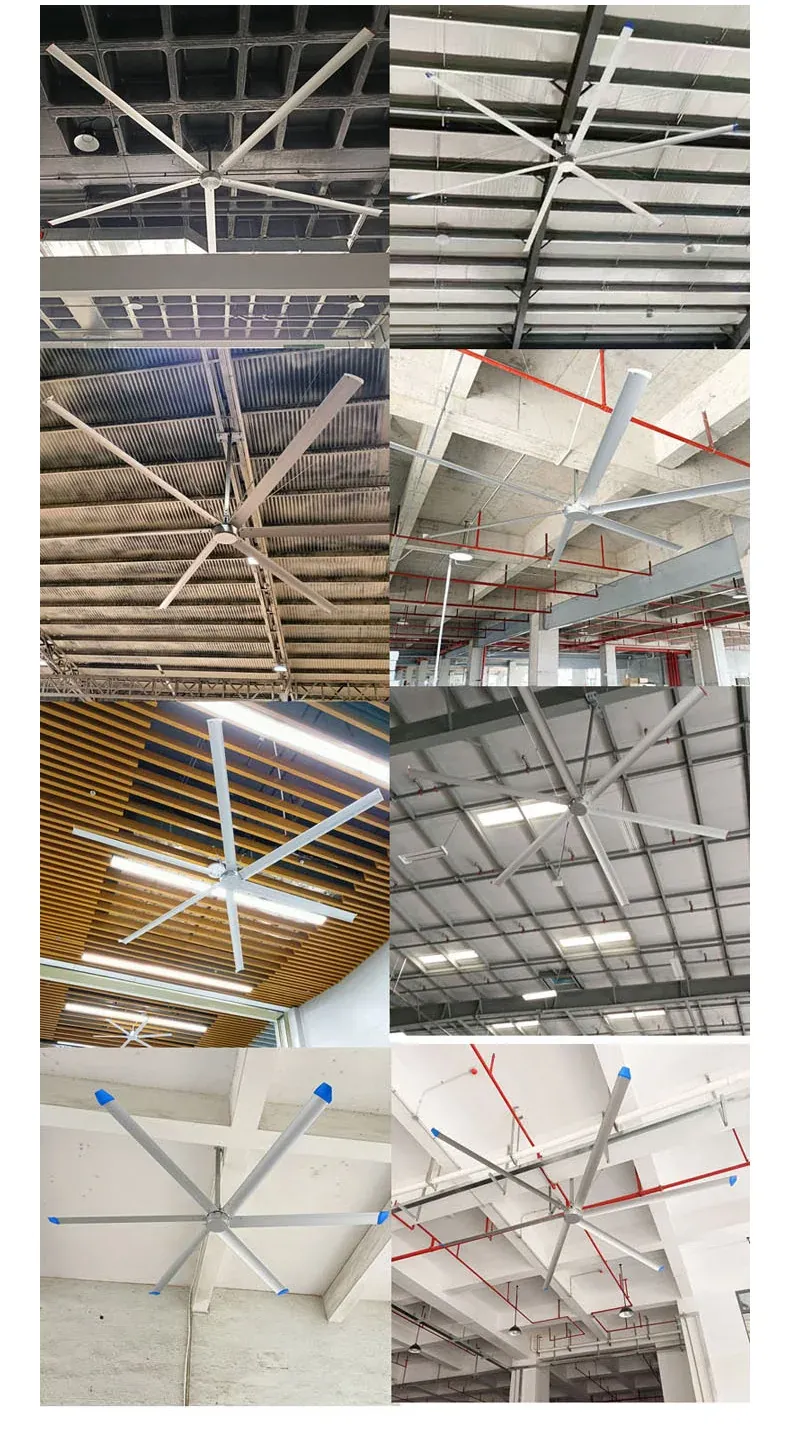
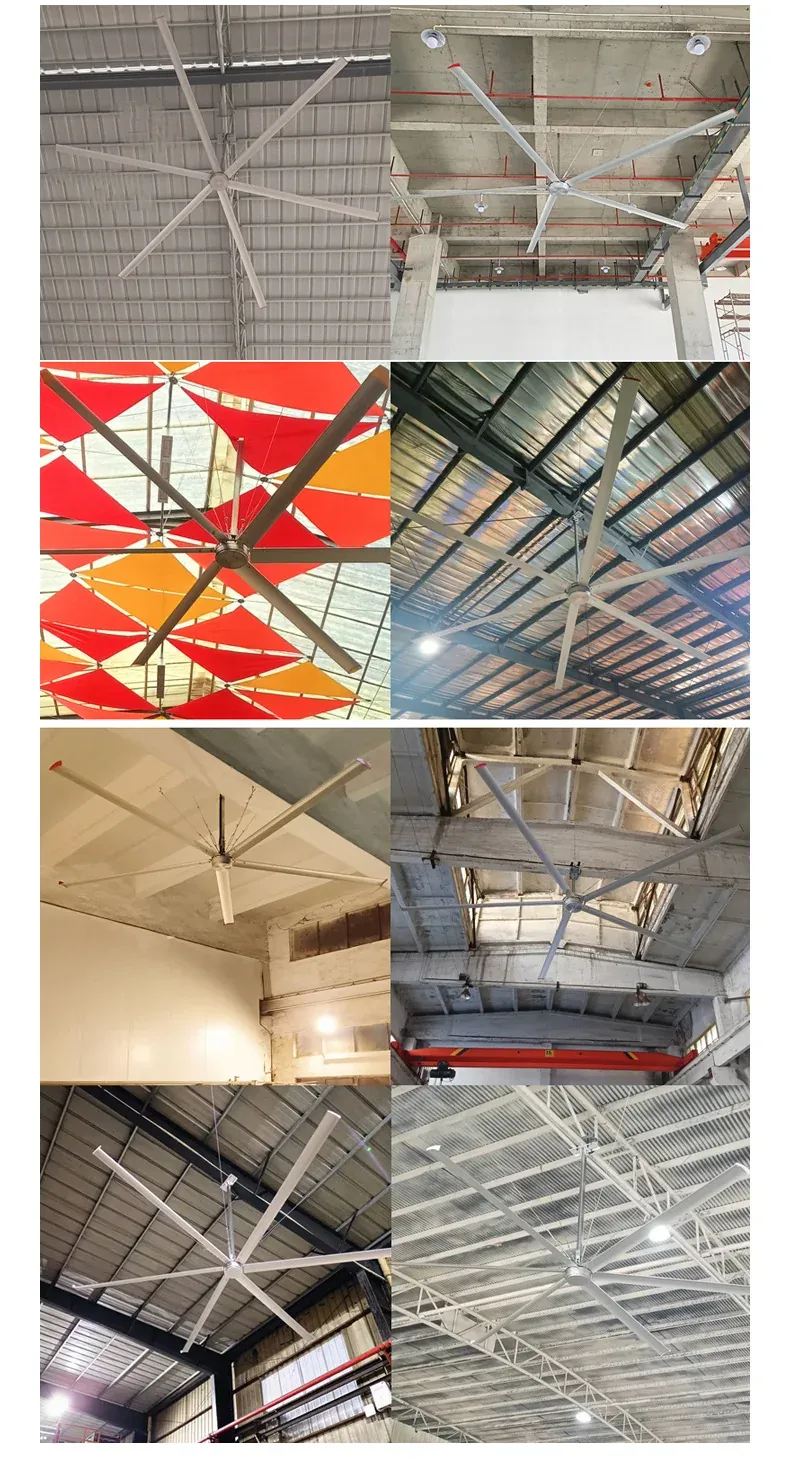
HVLS Ceiling Fans
7.3 m Energy-Saving Industrial HVLS Ceiling Fan – Permanent Magnet Direct Drive, 1500 W
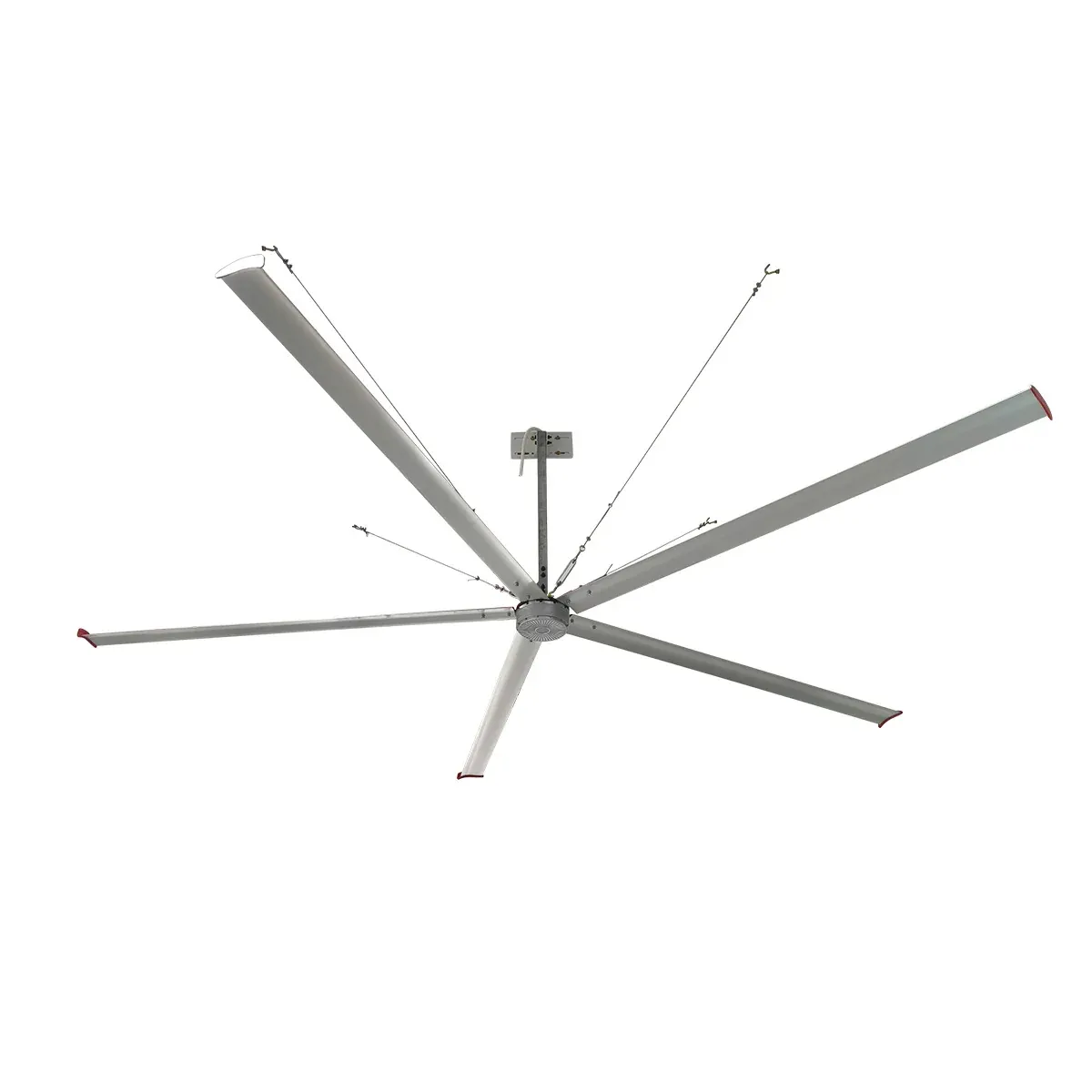
7.3 m HVLS industrial ceiling fan with a permanent magnet direct drive motor: 1,500 W, 380 V, 15,000 m³/min, 59–0 rpm, IP55 and 800–1,600 m² coverage. Five aluminium blades, 120 kg body.
Specifications
- Fan Type
- HVLS industrial ceiling fan, permanent magnet direct drive
- Model
- ZLYC-73D5
- Fan Diameter
- 7,300 mm
- Number of Blades
- 5
- Blade Material
- Aviation-grade aluminium alloy
- Blade Colour
- Silver
- Rated Power
- 1,500 W
- Rated Voltage
- 380 V 50 Hz, three phase
- Maximum Speed
- 59–0 rpm, stepless
- Air Volume
- ≥15,000 m³/min
- Noise Level
- ≤40 dB
- Protection Rating
- IP55
- Product Weight
- 120 kg
- Suitable Ceiling Height
- 6–16 m
- Effective Coverage
- 800–1,600 m²
- Operating Temperature
- −20 °C to +60 °C
- Motor Efficiency
- above 95%
- Controller
- Dedicated wall-mounted controller, matched to 6.1 m and 7.3 m models
A 7.3 m HVLS ceiling fan is not simply a bigger fan. It is a different way of moving air through a building. One unit sweeps a 7,300 mm circle at 59 rpm, and at that diameter the blade tips travel fast enough to drive a column of air all the way down to the floor, where it spreads outward and climbs back up the walls. The result is a slow, continuous loop that turns over the whole volume of the hall, instead of a narrow jet of air in one corner.
Sundream builds this model for workshops, warehouses and logistics centres with ceilings between 6 and 16 m, where the floor area under a single fan runs from 800 to 1,600 m². It uses a 1,500 W permanent magnet synchronous motor with no gearbox, weighs 120 kg, and is rated IP55 for dusty, humid production environments.
Why 7.3 Metres Is the Size That Changes a Building
Air volume scales with swept area, and swept area scales with the square of diameter. Going from a 5 m fan to a 7.3 m fan more than doubles the disc of air each revolution pushes, which is why one large fan can replace a row of small ones.
Diameter | Swept area per revolution | Typical building |
|---|---|---|
5.0 m | 19.6 m² | Low bays under 6 m, mixed-use halls |
6.1 m | 29.2 m² | 6–10 m ceilings, medium warehouses |
7.3 m | 41.8 m² | 8–16 m ceilings, large workshops and logistics hubs |
The 7.3 m size is the point where a single fan becomes a building-scale solution rather than a spot cooler. At 15,000 m³/min and 59 rpm it keeps the air in a 800–1,600 m² workshop moving all day without the draught that high-speed fans create, and without the noise. Measured sound pressure stays at or below 40 dB, which is quieter than normal conversation.
The Motor: Permanent Magnet Direct Drive, No Gearbox
Most industrial ceiling fans in this size class still use an asynchronous motor with a reduction gearbox. The gearbox is where the losses are: every stage of gearing costs efficiency and produces the whine that makes people avoid the area underneath. This fan removes it entirely. The permanent magnet synchronous motor drives the hub directly.
- Efficiency above 95%. A direct drive permanent magnet motor converts more of its input into rotation than a geared induction motor, and uses roughly 30% less electricity for the same air volume.
- One-piece aluminium housing with a sunburst fin pattern. The fins are not decorative. They give the motor a large heat-dissipation area so it can run continuously in high-temperature, high-dust workshops without cooking the winding.
- No gears, no lubricating oil. There is nothing to top up and nothing to wear out, which removes the maintenance visit that geared fans need every season.
- Rated for continuous duty. The motor is built for 24-hour operation between −20 °C and +60 °C, protected to IP55 against dust and water jets.
Because the motor is the same unit used across the 3 m to 8 m range, spare parts and service knowledge stay consistent across a mixed fleet.
The Blades: Aviation-Grade Aluminium, Hollow Reinforced
A 3.65 m blade has to carry its own weight plus aerodynamic load for years without flexing into the ceiling or fatiguing at the root. Aluminium alloy does that at a fraction of the weight of steel.
- Hollow reinforced extrusion. The blade is an extruded aluminium profile with internal ribs, not a folded sheet. Internal structure raises stiffness while keeping the blade light enough that the hub and bearing loads stay manageable.
- Aerofoil cross-section. The blade is shaped like a wing, so it produces airflow at low rotational speed with less drag. This is why the fan can move 15,000 m³/min at only 59 rpm.
- Corrosion and oxidation resistance. Aluminium alloy suits humid and mildly alkaline environments where painted steel blades rust at the leading edge.
- Dynamic balance at the factory. Each set is balanced before dispatch. A 7.3 m rotor that is out of balance does not just make noise, it loads the bearing and the roof structure.
Blade colour is silver as standard. Because the same blade profile is used across the range, a 5 m, 6.1 m or 7.3 m fan all share the same spare-part logic.
The Controller: Built for a 7.3 m Rotor
A 7.3 m fan has far more rotational inertia than a small ceiling fan, so the controller has to manage torque rather than just switch power. The dedicated controller supplied with this model is matched to the 6.1 m and 7.3 m versions and is not interchangeable with a generic VFD.
- Simple panel. Start and stop, program confirmation, and up and down speed keys, with a display that shows the running parameters. A worker can be trained on it in a few minutes.
- Stepless speed regulation from 59 rpm down to 0. Speed ramps rather than steps, so the fan starts and stops without the swing that shakes a suspension system.
- Full electrical protection. Overload, over-current, over-temperature and phase-loss protection are built in, so a heavy rotor under load trips the controller instead of burning the motor.
- Industrial housing. A solid black panel with sealed terminals, specified for workshops with heavy dust and wide temperature swings.
- Wall-mounted and independent. Each fan has its own controller and its own wiring run, so one unit can be serviced or switched off without affecting the rest of the building.
Specifications: ZLYC-73D5
Specification | ZLYC-73D5 |
|---|---|
Fan diameter | 7,300 mm |
Number of blades | 5 |
Blade material | Aviation-grade aluminium alloy |
Blade colour | Silver |
Rated power | 1,500 W |
Rated voltage | 380 V 50 Hz |
Maximum speed | 59–0 rpm, stepless |
Air volume | ≥15,000 m³/min |
Noise level | ≤40 dB |
Protection rating | IP55 |
Product weight | 120 kg |
Suitable height | 6–16 m |
Effective coverage | 800–1,600 m² |
Operating temperature | −20 °C to +60 °C |
Motor efficiency | above 95% |
Installation Requirements
The fan needs 380 V three-phase power at the controller, a structural fixing point rated for the fan weight plus dynamic load, and clear height. At 6 m the blades sit close enough to head height in a working area that the fan should be interlocked or guarded; at 16 m it is well clear of crane and forklift traffic.
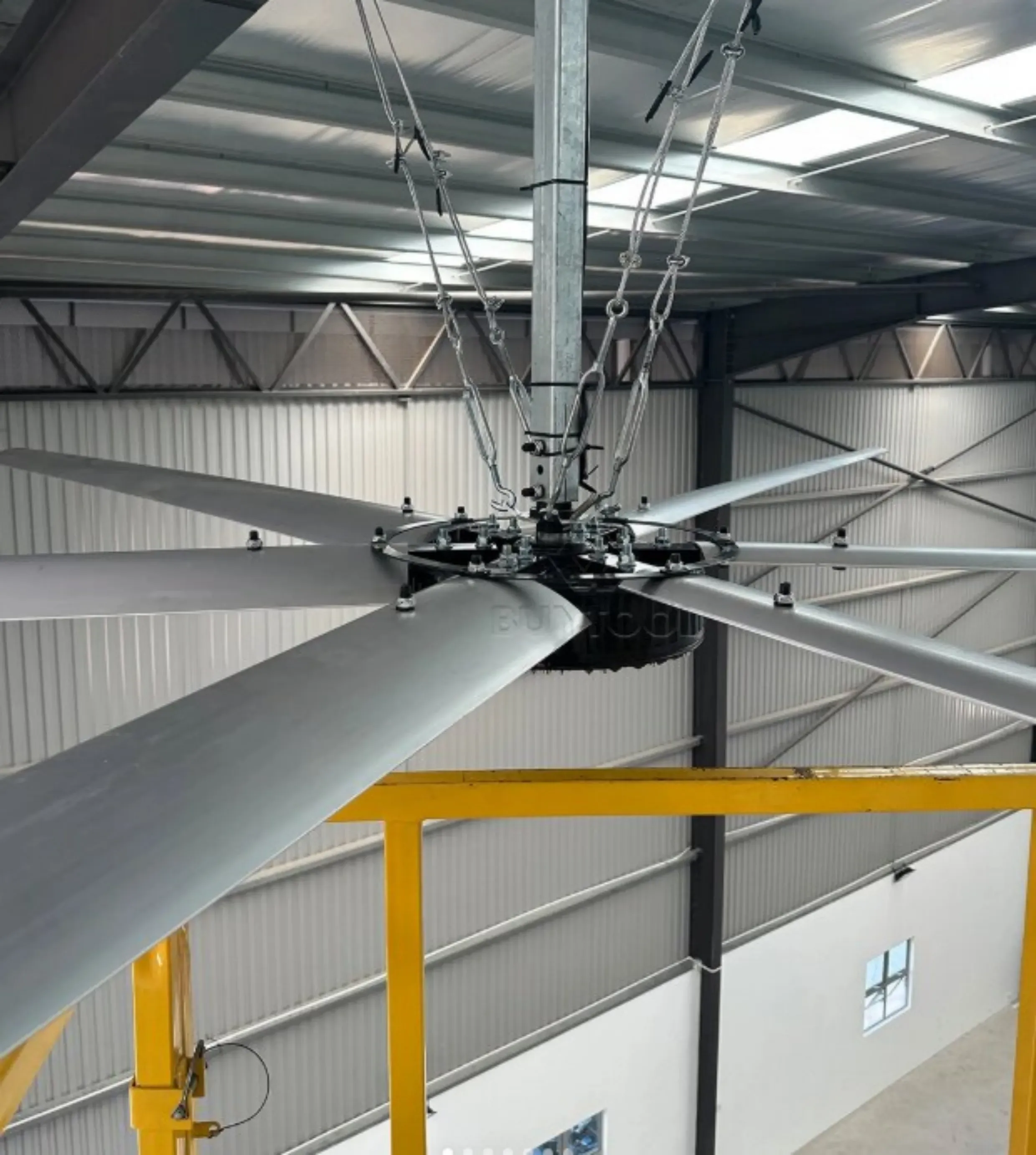
Suspension uses the supplied drop tube with independent safety cables. The cables are not a backup for a badly fixed anchor, they are there so that a single fixing failure cannot drop a 120 kg rotor onto the floor. Confirm the roof or truss capacity before ordering, and tell us the ceiling structure when you enquire — the mounting bracket differs between steel truss, concrete slab and purlin roofs.
Where This Fan Pays for Itself
- Factory workshops. Welding, stamping and assembly halls where heat stratifies under the roof. The fan breaks up the hot layer and pushes it back down to floor level, which is the difference between a 38 °C and a 32 °C working environment.
- Logistics and warehousing. Large volumes with high shelving. Moving air keeps cartons and pallets dry and stops condensation forming when the outside temperature swings.
- Sports halls and covered venues. Slow, wide air movement without the draught that makes a shuttlecock or a ball behave unpredictably.
- Livestock buildings. Air movement reduces heat stress in poultry and pig housing, which shows up directly in feed conversion.
Packing and Delivery
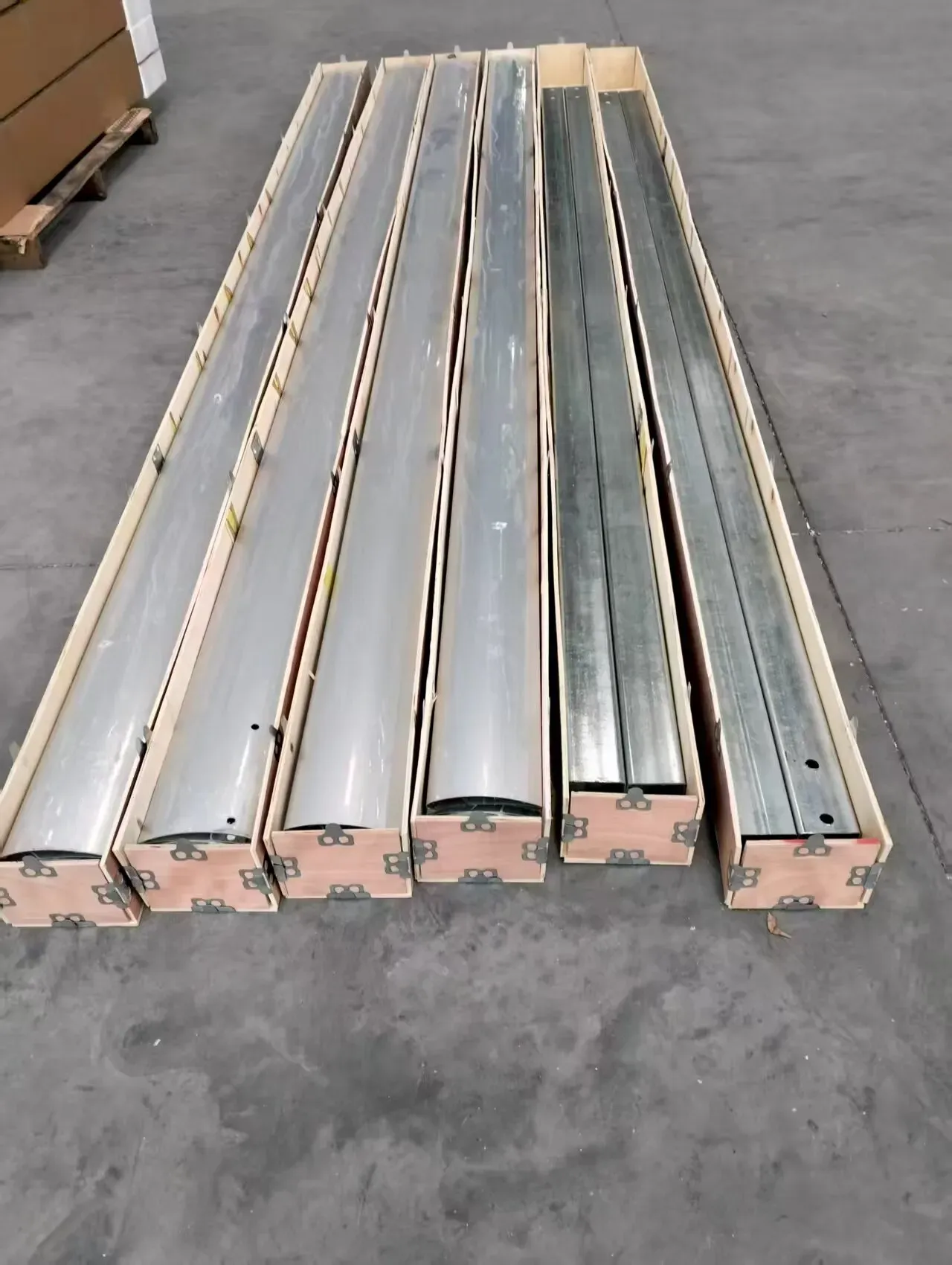
A 7.3 m fan cannot ship assembled. The five blades travel detached in individual plywood crates, the motor and hub in a separate case, and the controller and drop tube in cartons.
Crating each blade separately costs container space but avoids the most common transport claim on this product. Tell us the destination port and we will confirm the loading plan and the number of sets per 40HQ before you commit.
Frequently Asked Questions
Can one fan really cover 1,600 m²? Yes, but coverage depends on ceiling height and on what is standing in the way. In an open hall with a 10 m ceiling, one 7.3 m fan covers roughly 1,600 m². In a warehouse with 8 m racking, expect closer to 800–1,000 m² because the racking blocks the return airflow.
Does it work with a 220 V supply? No. This model is 380 V three-phase, 50 Hz. The 1,500 W motor at this diameter needs three-phase power, and the controller is built for it. If your site is single-phase, tell us at the enquiry stage.
How much does it cost to run? At 1,500 W, one hour of operation is 1.5 kWh. Compare that with the number of 1.5 kW high-speed fans needed to move the same air volume, and the saving usually comes from the count rather than from the wattage.
What maintenance does it need? The motor needs no oil and has no gears. In practice, maintenance is an annual inspection: check the blade bolts for torque, check the safety cables and anchor points, and clean dust off the motor fins so heat dissipation stays within spec.
Can it be branded for our market? Yes. Blades, hub and controller can be produced with your own label, and the controller panel can be printed with your logo. Custom blade sizes and mounting solutions are also available for project work.
Why Buy This Fan From Sundream
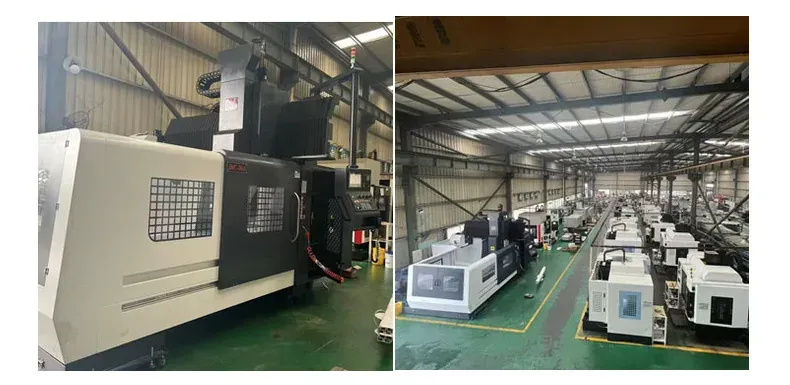
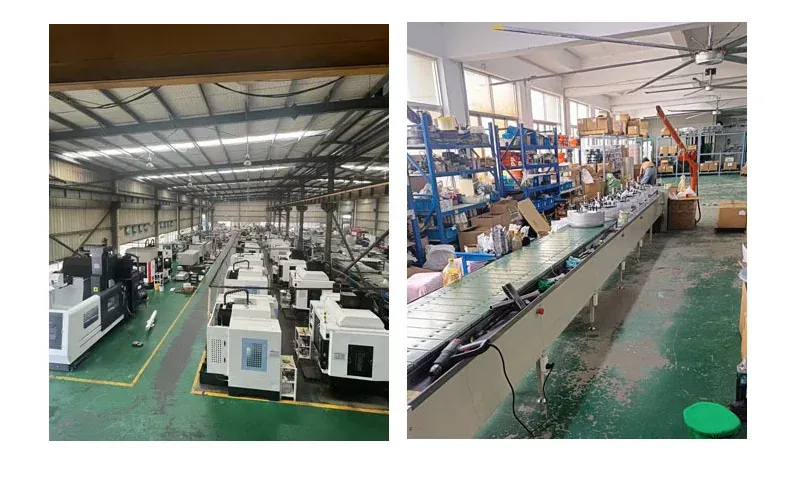
We machine the motor housings, wind and assemble the stators, and build the controllers on the same site, which is why a non-standard mounting bracket or a different blade colour does not turn into a six-week delay. Every fan is run and checked before crating, and each blade is balanced as a set rather than individually.
Send us the building dimensions, the ceiling structure and the voltage available on site, and we will confirm the number of fans, the mounting method and the shipping plan.